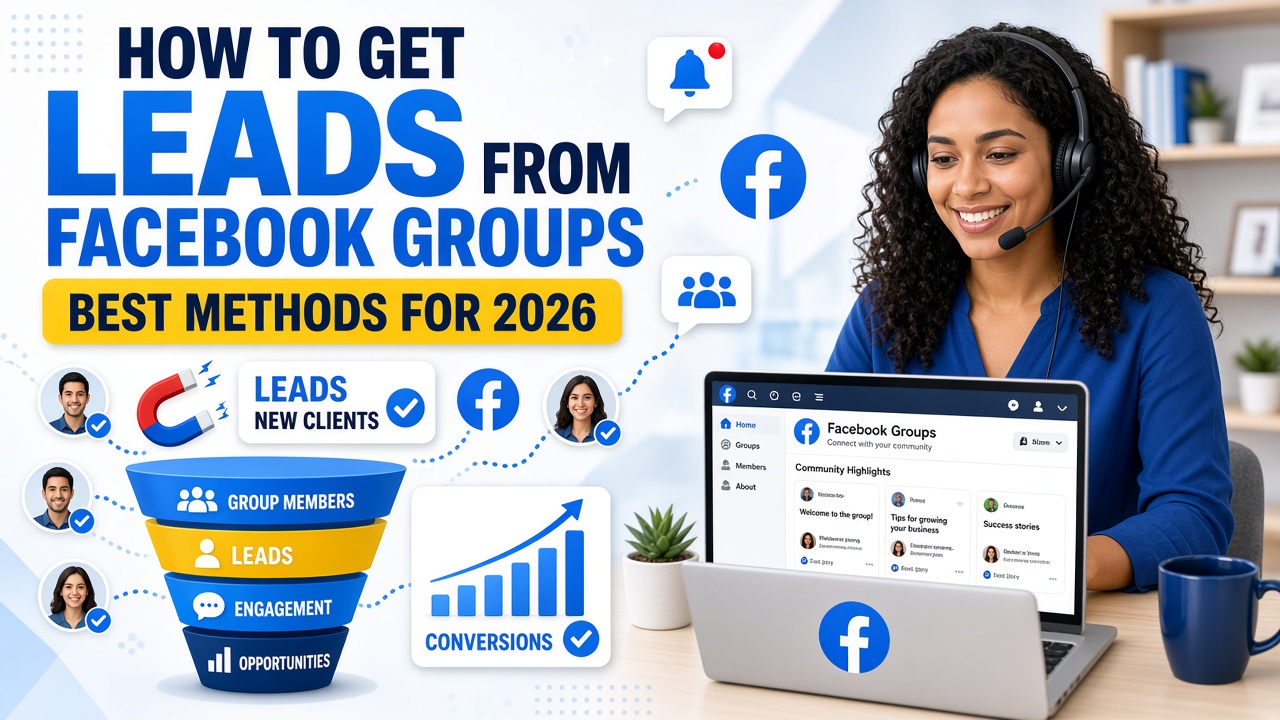
TL;DR
- Local Facebook groups are still where homeowners ask "does anyone know a good [trade]?" Those posts convert because a neighbor already framed hiring as normal.
- The methods that work: join the right neighborhood groups, reply fast and useful, stay visible without spam, track which groups book jobs, and add monitoring when you can't scroll all day.
- Hard promo and phone-number carpet bombing get you banned. Soft, specific replies win the call.
- GroupSignal is the speed layer — alerts when someone needs your service so you can reply while the thread is still live.
Why Facebook groups still produce leads
Google and paid marketplaces matter. So do referrals. But a huge share of local hiring still starts with a neighbor post: someone needs a plumber today, an AC that died in July, a roof check after a storm, or "who did your panel upgrade?" The asker already decided to hire; they want a trustworthy local answer.
That's why Facebook group lead generation works for home services when you treat it like inbound phone leads — not like a billboard. For how groups sit next to LSA, Angi, and booking tools, see the lead generation tools guide for home services.
Find the right groups
Not every group with your city name is worth joining. The ones that produce jobs look like this:
- Neighborhood / Neighbors groups — town or subdivision sized, active daily, full of service asks.
- Recommends / local tip groups— built for "who do you use?" threads.
- HOA / subdivision private groups — often quieter competition and higher trust.
- Buy / sell / trade — service asks show up between furniture posts; lower volume, less spam noise.
Search Facebook for [city] neighbors, [city] recommends, or the subdivision name. Start with 5–10 groups that cover towns you actually service. Skip giant statewide contractor spam groups.
See what homeowners near you are already asking for.
Start watching your groupsFive methods that actually work
1. Answer recommendation posts first
When someone asks for your trade, reply early with a short, specific answer: who you are, what town you cover, and one useful next step. That single habit beats any clever growth hack.
2. Help on non-sales threads sometimes
Answer a "is this leak bad?" or "should I call someone?" post without pitching. You become a known local, not a drive-by seller — and admins notice the difference.
3. Keep your profile obviously local
Most neighborhood groups expect a personal profile. Put your company name, trade, and towns in your intro so people know who they're messaging. Pages alone often look like spam.
4. Cover every town you roll trucks to
One mega group rarely replaces five active local ones. Map groups to service area the same way plumbers, HVAC shops, and electricians do.
5. Monitor instead of hoping you'll scroll in time
Manual checking works for one or two groups. It breaks once you're in eight or ten and you're on a job when the post goes up. That's when continuous monitoring turns Facebook groups for leads into a real channel instead of a hobby.
Reply rules that keep you in the group
Do
- Read the rules before you post or reply.
- Answer the actual problem in the post.
- Reply in the first hour on urgent threads.
- Offer to continue in messages once you've been useful in-thread.
Don't
- Spam your phone number on every thread.
- Drop weekly promo ads unless rules explicitly allow them.
- DM everyone who posts anything remotely related.
- Argue with other contractors in the comments.
Add a monitoring layer for speed
Getting leads from Facebook groups is mostly a speed problem. Comment #14 three hours later usually loses. A Facebook group monitoring tool watches your list continuously so you're not the one checking feeds between jobs.
GroupSignal covers public and private groups, matches posts to your trade and service area, and emails you as soon as something lands. Plans run $79–$199/moby group count. We don't comment or message homeowners for you — you get the alert and reply as the local business.
A simple weekly system
- Once: join the right groups and clean up your profile.
- Daily: hit every alert (or every ask you see while scrolling) for your trade.
- 2–3× per week: leave a helpful non-pitch reply somewhere.
- Weekly: prune dead groups and add coverage where you keep winning work.
Stop missing group leads while you're on a job.
Start watching your groupsFAQ
Can you really get leads from Facebook groups in 2026?
Yes. Homeowners still ask neighbors for plumbers, HVAC techs, electricians, roofers, and other trades. The posts are free to find, but they move fast — speed and helpful replies matter more than hard promo.
Do I need to be a group admin to get leads?
No. Membership plus following the rules is enough. You don't need admin access to reply to recommendation posts or to have groups monitored.
What's the best method for busy contractors?
Join the right local groups, reply like a helpful neighbor on recommendation posts, and use a monitoring tool so you're alerted when someone asks for your trade instead of scrolling ten feeds between jobs.
Does GroupSignal post or message homeowners for me?
No. We send you the alert. You reply, comment, or message yourself. We don't post or DM on your behalf.
How much does Facebook group monitoring cost?
GroupSignal plans run from $79 to $199 a month depending on how many groups you need watched. The leads themselves stay free — you're paying for continuous coverage and email alerts.
Ready to stop scrolling groups yourself?
Start watching your groups